Grid Puzzles Blog — Page 3
Strategies, how-to guides, and tips to master every puzzle
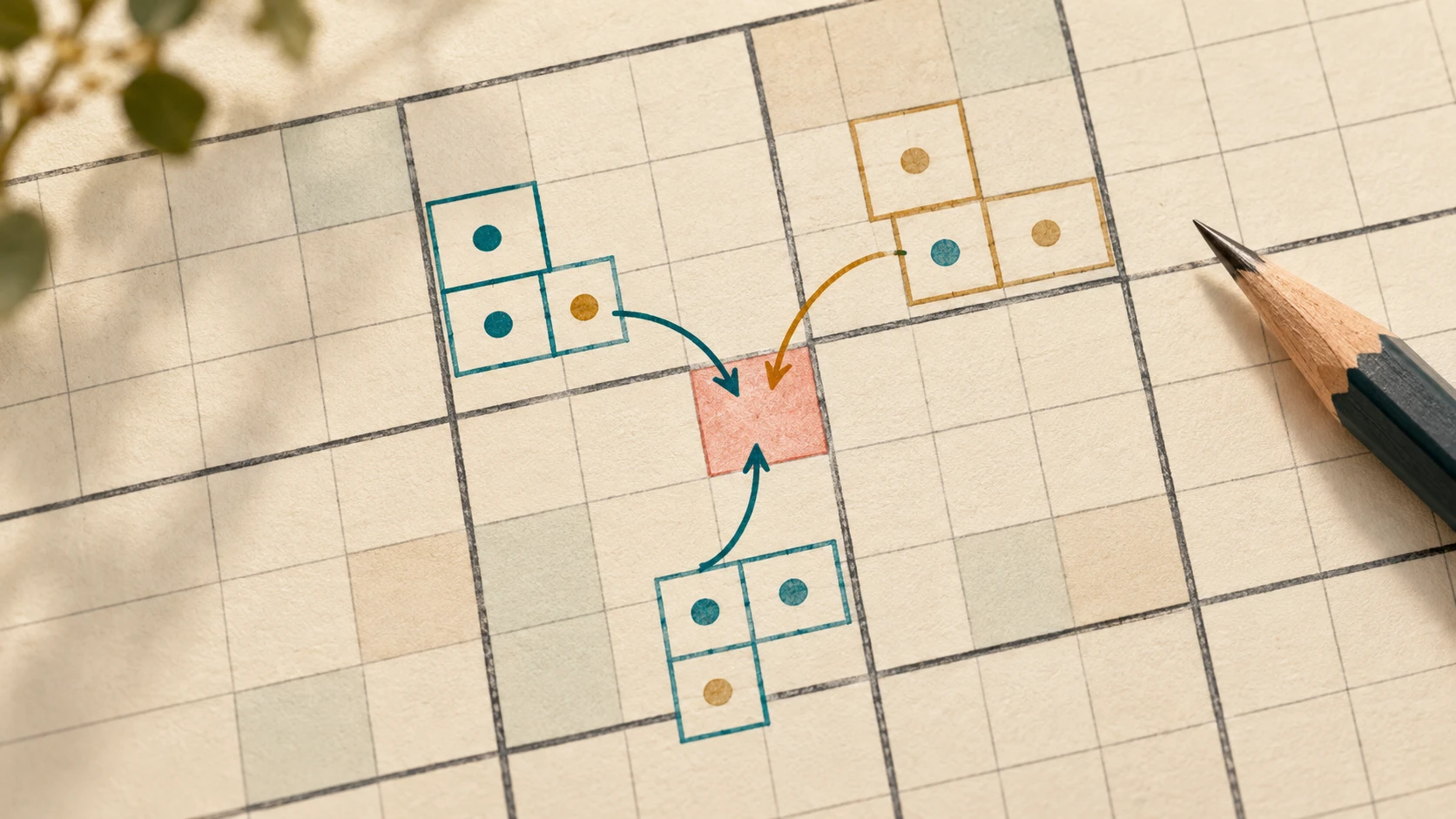
XYZ-Wing Sudoku: Why the Target Must See All Three Cells
Use an original XYZ-Wing Sudoku example to remove a candidate safely. Follow all three pivot cases and see why a nearby cell must keep its 3.

2048 Strategy: Keep the Corner Without Trapping the Board
Compare two 2048 moves that both score 16, see how a gap moves the largest tile, and practise keeping useful merge space.
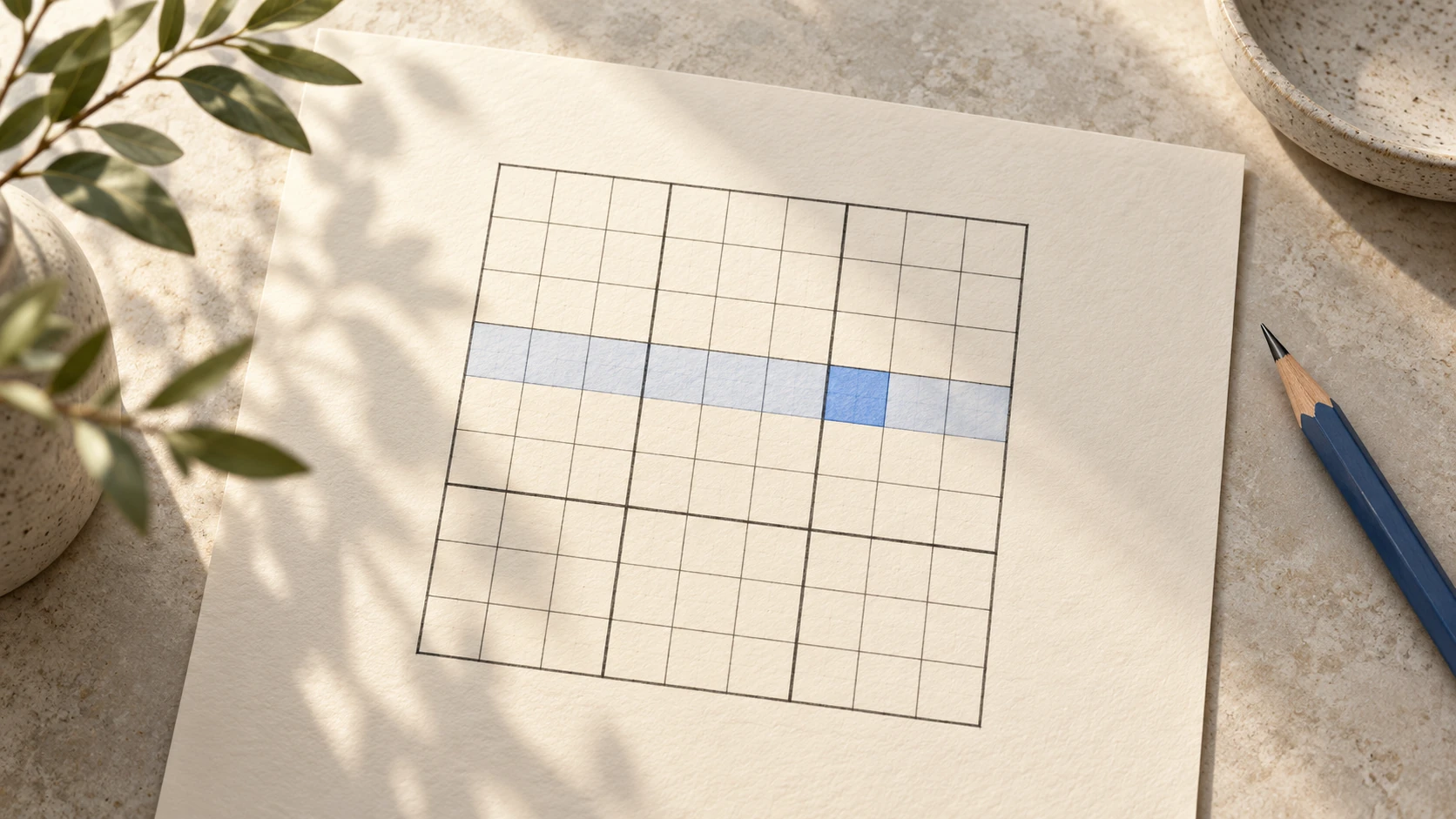
Hidden Singles and Cross-Hatching in Sudoku: One Checked Grid
Find hidden singles by cross-hatching a checked Sudoku grid. Compare the same forced 4 with full candidate notes, then try a separate practice puzzle.
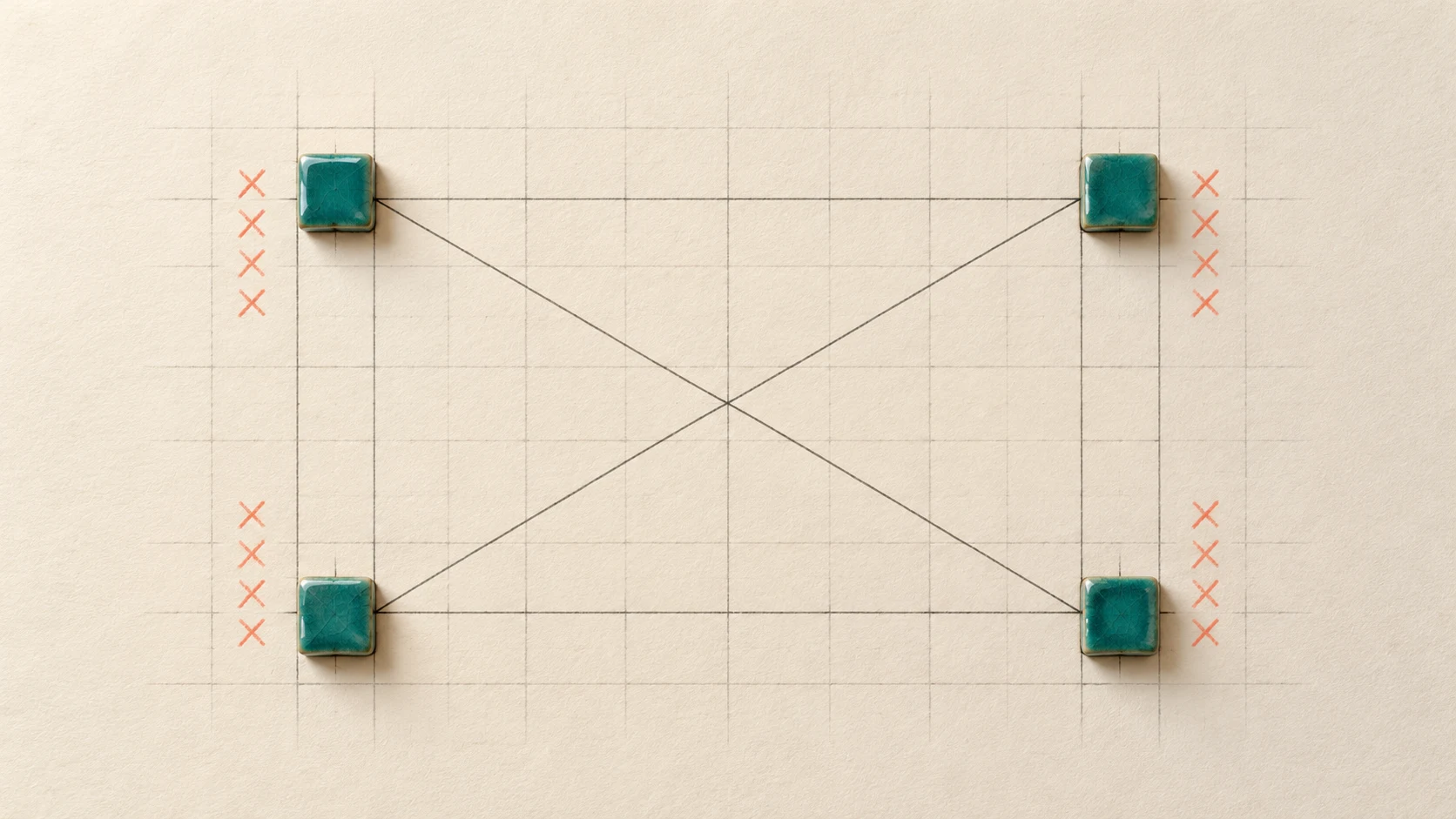
X-Wing in Sudoku, Explained on One Real Board
Learn the Sudoku X-Wing on an original board: check four corners, remove three candidates, and avoid the extra-candidate trap. Includes a practice question.

XY-Wing (Y-Wing) Sudoku: Three Cells, One Elimination
Follow an XY-Wing through both pivot values on an original Sudoku board. See why a shared target loses 7, becomes 3, and a one-wing neighbor keeps its note.
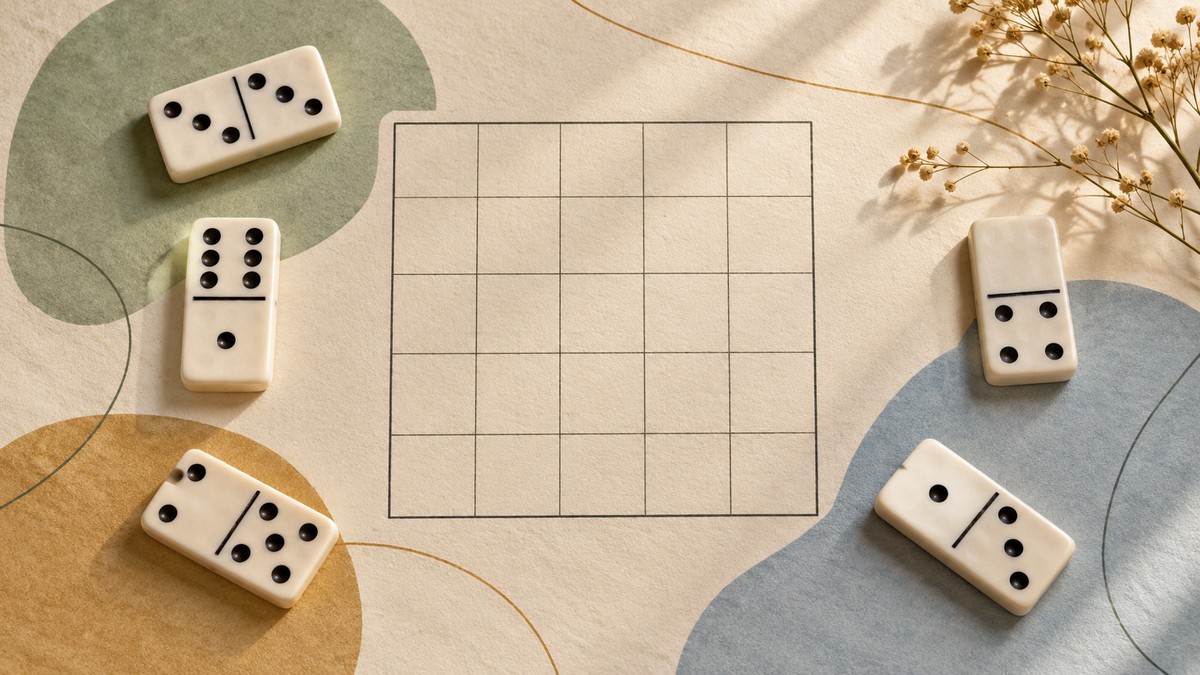
Pips Strategy: Check the Other Half Before You Place a Domino
Work through an original Pips position: check both domino ends, compare a wrong move, and spot gaps that a correct region sum can hide.

The Best First Guess in Wordle: What SLATE Can and Cannot Do
Compare SLATE and ADIEU on checked practice lists, see why rankings depend on the model, and learn when a separating guess helps.

Why a Five-Minute Daily Puzzle Resets Your Stress
A small, bounded, solvable grid gives a noisy brain something concrete to hold for five minutes — and the daily habit of finishing one board quietly changes how the afternoon feels.

Grid Puzzles for Kids: What to Play at Every Age
From first graders who can count to teens ready for logic that bites back — which grid puzzles land at each age, and why the skill ceiling matters more than the skill floor.
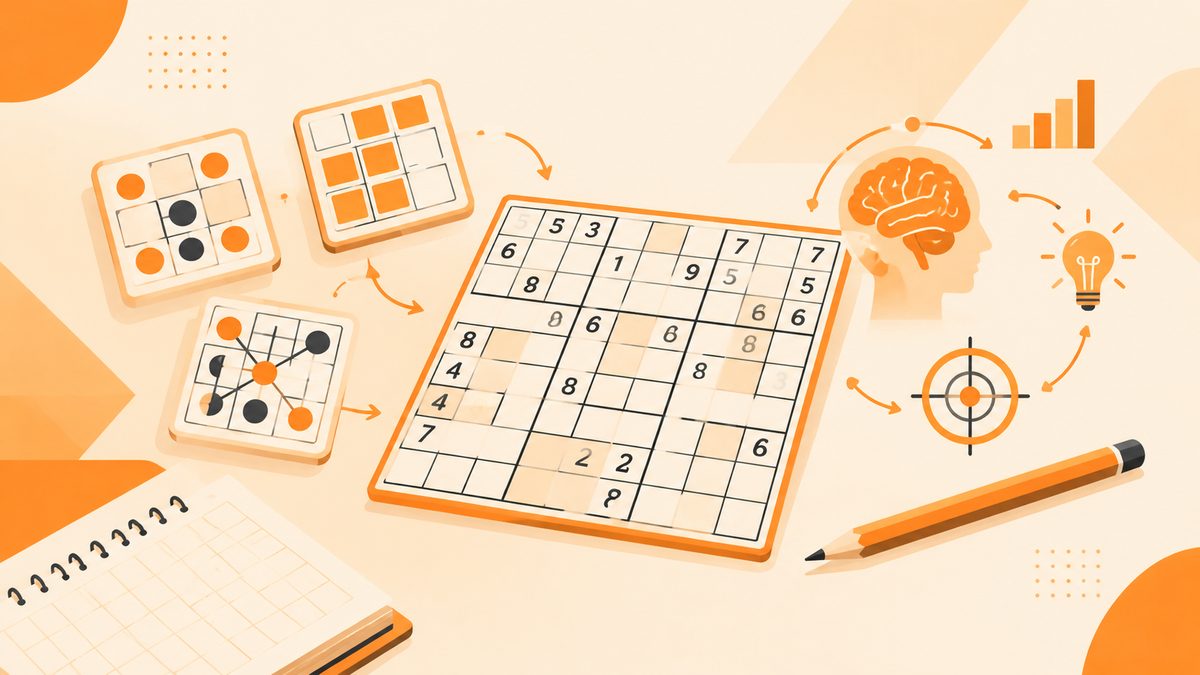
You Already Know Sudoku: How to Pick Up Tango, Patches & Wend
If Sudoku clicks for you, Tango, Patches and Wend will too — they share the same constraint-elimination loop but dress it in different rules. Here's how to make the jump.